
Medical negligence lawyers in Barcelona
At Ajuridic we examine claims for medical negligence, both against the public health service and against private centres and professionals, and we handle the case for the patient or their family from the request for the medical records through to the closing of the case.
Carrer del Freser, 104 · El Clot (Sant Martí), 08026 Barcelona. We advise in Spanish, Catalan, English and Arabic (Arabic by prior appointment); support in Filipino on request, requesting an appointment in advance.
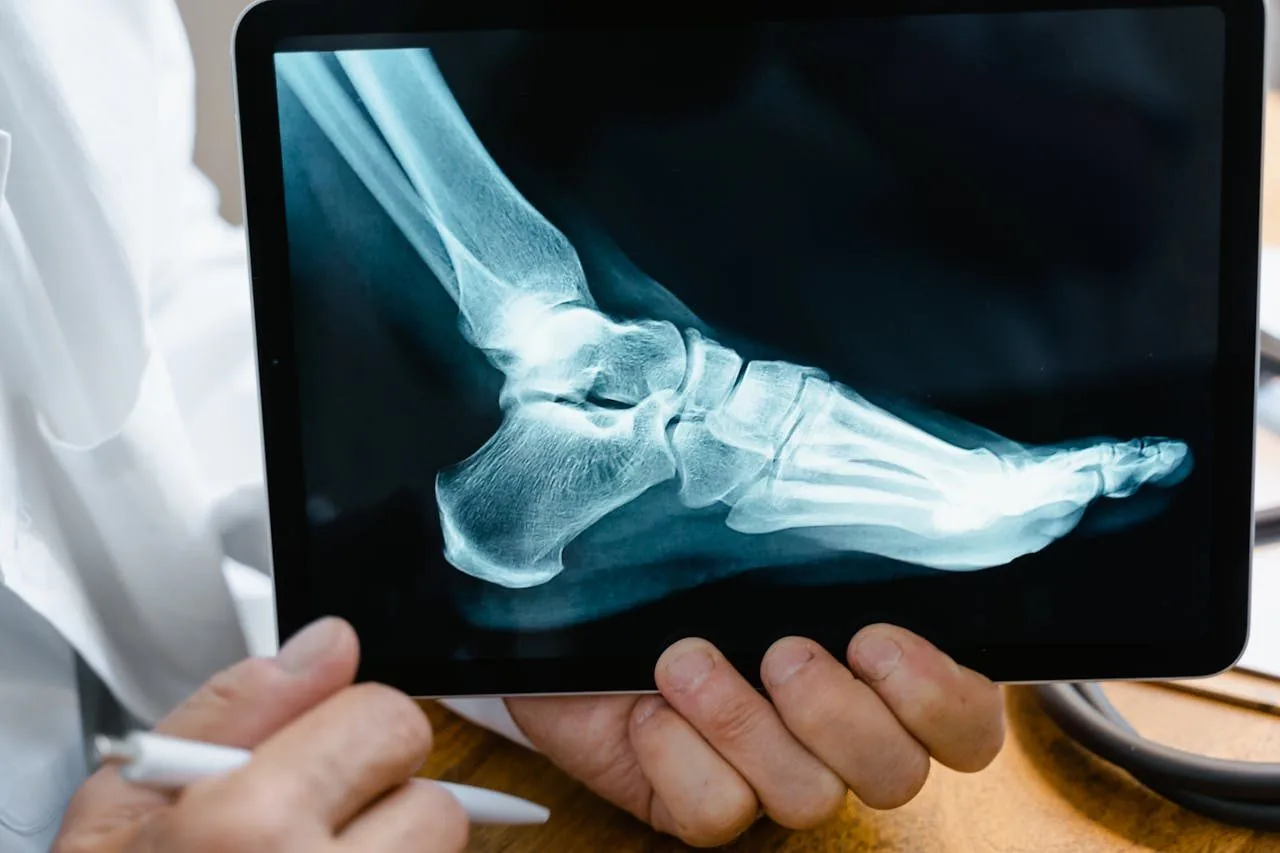
What the firm does where there may have been negligence
Medical negligence is not the same as a bad outcome. What is examined is not the result but whether the care given met the lex artis: the standard required of that professional, with those resources and in those circumstances. Assessing it requires the medical records and a medical expert. That is where we start.
- An initial assessment using whatever reports the patient already has, so as to say frankly whether the matter has anything in it.
- A formal request for the complete medical records from the centre, public or private, and a further claim if they are provided incomplete.
- Reviewing the informed consent: whether there was any, whether it was specific to that procedure and whether it set out the risks that materialised.
- Choosing a medical expert in the relevant specialty and directing the expert instruction.
- Analysing the causal link between the care given and the harm, including loss of a chance where a delayed diagnosis reduced the prospects of recovery.
- Quantifying the loss: permanent injury, days of recovery, expenses, loss of earnings and non-financial loss.
- A state liability claim against the health authority, or a claim against the private centre, the professional and their insurer.
- Legal representation in court proceedings, and coordination with the network of expert witnesses and procuradores the firm works with.
The case is conducted by Noemí Ampurdanés Parés, a lawyer registered with the ICAB under no. 22359, with over 30 years in practice. You can see her professional profile at noemiampurdanes.com.
Claims against public and private healthcare work differently
The first thing is to know where it happened: that determines who the claim is brought against, what procedure is followed and which courts the matter ends up in if there is no agreement.
If the care was given within the public system — in Catalonia, CatSalut centres and the bodies that provide services for it — the claim is brought against the authority by way of state liability. If it was given at a private clinic or practice, the claim is brought against the centre, the professional and their insurer. Mixed situations are common in Barcelona — referrals to publicly funded private centres, mutuas, health insurance policies with their own panel of doctors — and there it is worth settling the route before anything is filed.
| Aspect | Public healthcare | Private healthcare |
|---|---|---|
| Basis | State liability of the authority | Civil liability of the centre or the professional |
| Who the claim is brought against | The health authority responsible for the service | The centre, the professional and their insurance company |
| First step | A claim through the administrative route | An out-of-court claim to the centre and the insurer |
| If it does not succeed | An appeal to the administrative courts | A claim in the civil courts |
How the claim is handled, step by step
Almost every case follows these steps. The first few weeks are spent gathering documents, not filing letters.
-
First meeting
We listen to the account and go through the reports available. We say from the outset what can and cannot be evidenced, without raising expectations.
-
Requesting the medical records
We request the complete file: progress notes, nursing charts, the surgical record, anaesthesia records, imaging tests and consent forms.
-
Medical expert report
A specialist in the same field analyses whether the care met the required standard and whether the harm results from it. This report decides whether the case goes ahead.
-
Choosing the route and quantifying the loss
With the expert report in hand we settle who the claim is brought against, by which route and with what valuation of the loss: permanent injury, expenses, loss of earnings and non-financial loss.
-
Preliminary or out-of-court claim
In the public health service, the state liability claim; in the private sector, a formal demand to the centre and its insurer. Many cases are resolved at this stage.
-
Court proceedings
If there is no agreement, the firm takes on the conduct of the case before the appropriate courts, with the expert confirming the report at the hearing.
What it is worth gathering before the first appointment
You do not need to bring everything: whatever is missing is requested by the firm. The more complete the file, the sooner the expert can give a view.
- Hospital discharge reports, A&E reports and reports from the related outpatient appointments.
- Signed informed consent forms, if there were any, and the information provided beforehand.
- The surgical record and the anaesthesia chart where there was an operation.
- Diagnostic and imaging tests, in digital form and not just the written report.
- Later follow-up reports, including those from other centres or from a second opinion.
- Sick notes and invoices for treatment, physiotherapy, prostheses and travel.
- Any complaints already made to the centre, with the replies received, and the health insurance policy if there is one.
A practical note
Access to the medical records is a patient's right recognised by Ley 41/2002 (Spanish Act 41/2002). It is worth asking for them in writing and in full, not a summary: the details that decide the case are usually in the progress notes and the nursing charts, not in the discharge report.
Time limits and warnings worth knowing about
In the public health service, a state liability claim generally has a time limit of one year, which runs not from the day of the treatment but from recovery or from the point at which the extent of the permanent injury is established. That rule saves many cases that appear to be time-barred. In the private sector, the time limit depends on how the relationship with the centre or the professional is classified, a disputed question decided case by case. That is why no single figure is given here: the prudent course is to have the file reviewed as soon as possible.
The valuation of the loss is usually based, as a guide, on the scale laid down for road traffic accidents. It is a reference point, not a tariff: the amount depends on the permanent injury that is evidenced and on the expert evidence, so no figure can be given in advance without seeing the reports.
Two warnings that come up again and again: signing an agreement with the insurer before the permanent injury has stabilised can shut the door on claiming for whatever appears later, and late expert reports are harder because the evidence deteriorates. There is also a criminal route for cases of gross negligence, which is exceptional and shapes the rest of the strategy.
Please note
This page describes in general terms how the firm works and is not a substitute for legal advice. Time limits, the applicable route and the valuation of the loss depend on each episode of care and on the documents available, and no claim allows a result to be guaranteed. Do get in touch to find out what applies in your case.
Related practice areas and blog guides
Other areas of the firm often involved in a healthcare claim.
Civil liability
A healthcare claim almost always ends up against an insurer, within the same general framework.
Go to the practice areaRoad traffic accidents
If the care given after an accident makes the injuries worse, the two claims are coordinated.
Go to the practice areaWills, probate and inheritance
If the patient has died, the claim overlaps with the succession and with each heir's position.
Go to the practice areaGuides published on the blog
Frequently asked questions about medical negligence
Is a bad medical outcome always negligence?
No. Medical care is an obligation to use proper means, not to achieve a result: an unfavourable outcome may be due to the progression of the illness or to a risk inherent in the treatment. What is examined is whether the care given met the lex artis, the standard required of that professional with those resources and in those circumstances. That comparison is made by an expert on the basis of the medical records.
How do you obtain the medical records from a hospital in Barcelona?
You apply in writing to the patient services department or the clinical records unit of the centre, whether public or private, proving your identity. The right of access is recognised by Ley 41/2002; relatives can have access in the situations the legislation provides for, and if the person has died access is limited. It is worth asking for the complete file, not just the discharge report.
Is a medical expert report essential in order to claim?
In practice, yes. Neither the authorities nor an insurer nor a court will accept that there was negligence on the basis of the patient's account: you need a specialist in the same field to explain what should have been done, what was done and what harm resulted from the difference.
How long is there to claim for medical negligence?
It depends on the route. In the public health service, a state liability claim generally has a time limit of one year, which runs not from the treatment but from recovery or from the point at which the extent of the permanent injury is established. In the private sector it varies according to how the relationship with the centre or the professional is classified.
Is a claim against a public hospital the same as one against a private clinic?
No. In the public health service you claim from the authority by way of state liability and, if that does not succeed, the matter goes to the administrative courts. In the private sector you claim from the centre, the professional and their insurer, and the court proceedings are civil.
Is a medical negligence lawyer in Spain the same as a clinical negligence solicitor?
The role is broadly comparable, with one difference: in Spain the same abogado prepares the claim and appears in court, with no separate barrister. If you were looking for a clinical negligence solicitor or a medical malpractice attorney in Barcelona, the professional who does that job here is an abogado, and Ajuridic can assist you in English. More on how Spanish lawyers compare with solicitors and attorneys.
The clock runs from discharge, not from the operation
Two free tools to work out the time limit and gather the clinical documents before the first appointment.
Time limit checker
Eleven time limits covering fines, employment, damage claims and inheritance. Enter the start date and it shows the deadline for acting and how many days are left.
Check a time limitDocument checklist
The papers for a medical negligence claim, tickable and printable, so you can bring them already checked to the first consultation.
Open the checklistTell us what happened
Bring whatever reports you have, even if they are incomplete: that is enough for an honest first assessment of the case. The firm is at Carrer del Freser, 104, in El Clot, and advises clients in the city of Barcelona and the surrounding area and throughout Spain.